
Why do crypto investment scams increasingly look like normal conversations?
Crypto investment scams increasingly look like normal conversations because criminals use long social engineering, fake identities, plausible platforms and gradual trust instead of crude spam. The victim is not simply asked to send crypto; they are guided through a story, a relationship and a simulated professional service.
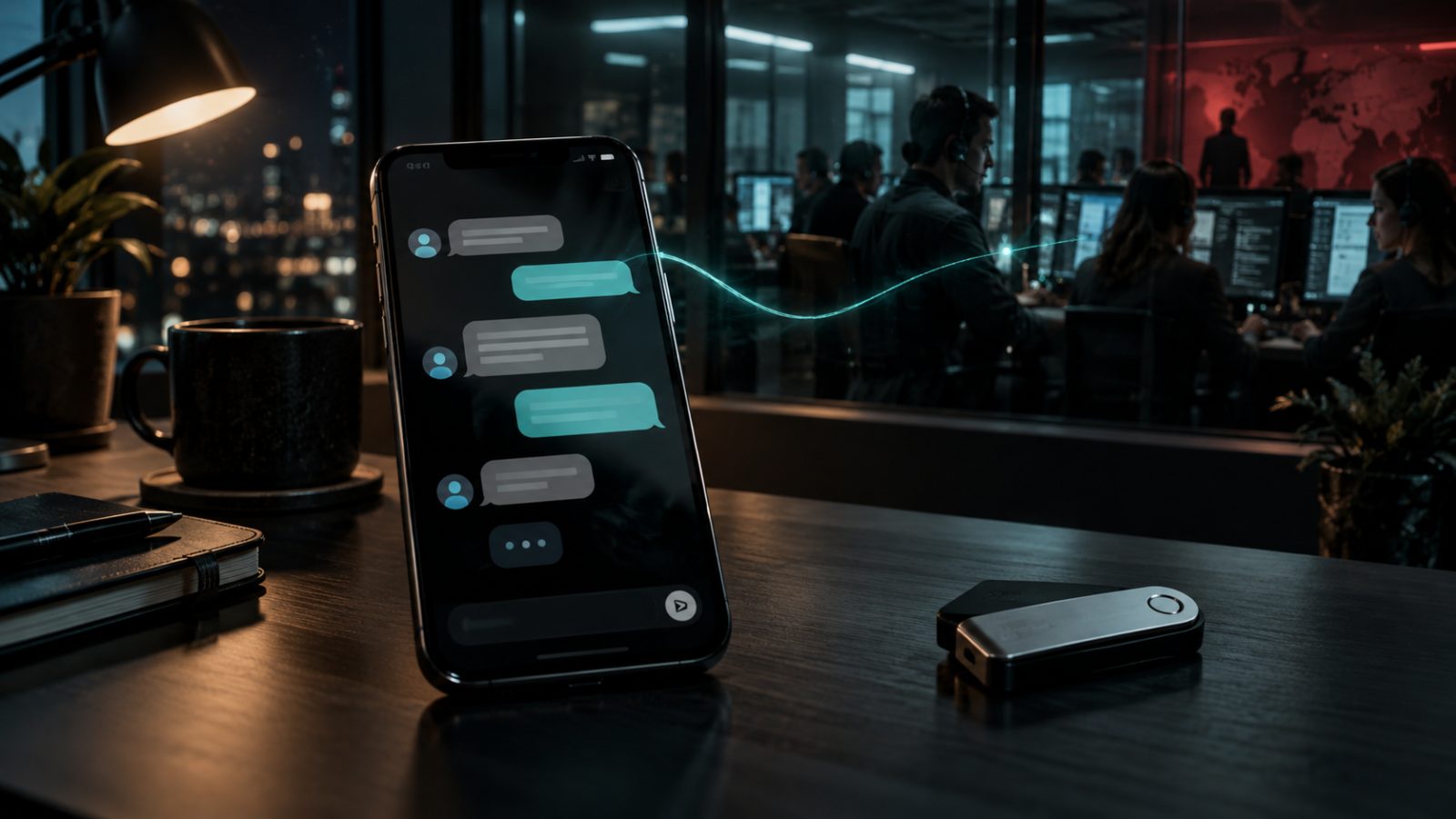
Crypto investment scams increasingly look like normal conversations because criminals use long social engineering, fake identities, plausible platforms and gradual trust instead of crude spam. The victim is not simply asked to send crypto; they are guided through a story, a relationship and a simulated professional service.
Why do old warning signs work less well?
In the past, many scam messages were easier to spot through mistakes, pressure and crude promises. Today, scripts are calmer. A person may chat for weeks, see a polished website, receive small withdrawals and gradually build trust.
That normality is exactly what makes the scheme dangerous. The victim often does not feel attacked. They think they are checking an opportunity, speaking to a real person or testing a new platform.
What are regulators saying?
On September 3, 2026, FinCEN reported almost $13 billion linked to suspected digital asset scams operated by overseas scam centers. The agency specifically described romance baiting, pig butchering and cryptocurrency confidence schemes.
An AP and FRONTLINE investigation shows the broader context: scams have scaled, while support for victims often remains fragmented. Crypto can amplify the harm because transfers are difficult to reverse.
Which red flags matter most?
The first flag is a stranger moving the conversation toward investing, especially after personal rapport. The second is a platform that shows profits but requires new payments to withdraw. The third is pressure, exclusivity or requests not to consult others.
The fourth flag is a wallet address, app or website that cannot be checked through independent sources. The fifth is any request to install remote access, import a seed phrase or sign an unclear transaction.
What are the limits and risks?
Even careful people can make mistakes. AI voices, deepfakes, stolen photos, real documents and polished interfaces reduce the quality of intuitive verification. It is not enough that the person appears normal.
Second-stage scams are another risk. After a loss, fake recovery services may promise to recover funds for a fee. Often, this is an extension of the same scheme.
How can people protect themselves practically?
Any investment idea from a stranger should be verified outside the conversation. Users should not send funds to a platform that cannot be found through independent sources, and should not pay fees to unlock withdrawals without a clear legal basis.
This is not legal advice. The simple rule is: if trust grows faster than verifiable facts, pause the crypto transfer until independent checks are complete.
Sources
- FinCEN alert
- AP scams
- Wallet safety
This article is for information only and is not individual investment advice. Trading crypto carries the risk of losing your funds; results on historical data do not guarantee future results.
Check the strategy against your own data
ACARO is a terminal that executes a strategy on your own exchange account. Parameter search and backtesting on history are part of the subscription.
See pricing