
Why does a token burn not always make a memecoin more valuable?
A token burn does not always make a memecoin more valuable because price depends on more than total supply. If demand is weak, liquidity is thin, holders are concentrated and the project relies on noise, supply reduction may be marketing rather than durable economics.
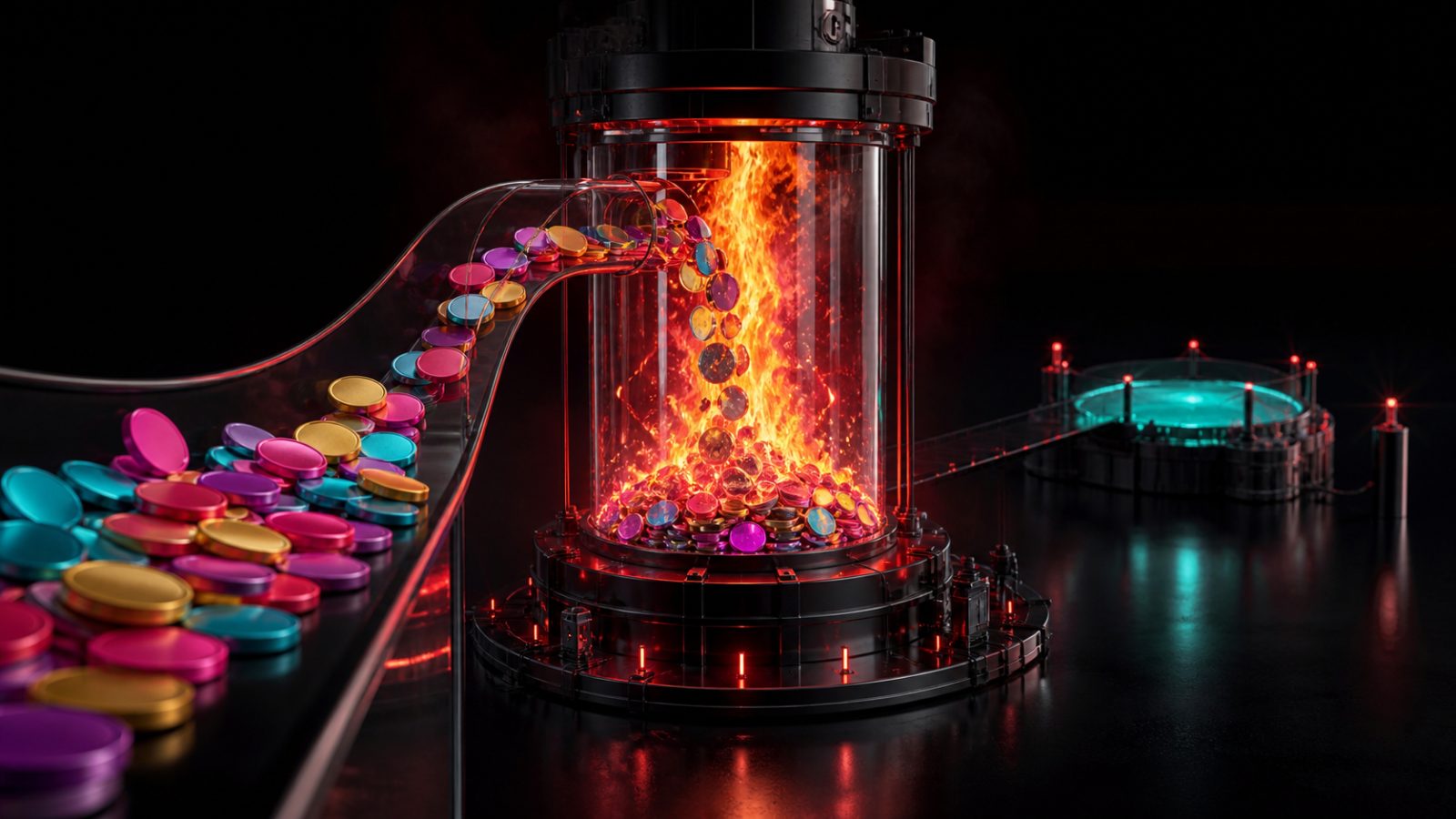
A token burn does not always make a memecoin more valuable because price depends on more than total supply. If demand is weak, liquidity is thin, holders are concentrated and the project relies on noise, supply reduction may be marketing rather than durable economics.
What does a burn mean?
A burn usually means sending tokens to an address where they cannot be spent, or using a contract function that reduces supply. On paper, this looks like a reduction in supply: fewer units of the asset, all else equal.
But “all else equal” almost never holds in memecoins. Demand changes faster than supply, liquidity can be thin and a large share of tokens may sit with early holders.
Why can total supply be misleading?
It is important to separate total supply, circulating supply and real available liquidity. If burned tokens were not circulating anyway, the market impact may be small. If a team burns tokens but liquidity pools remain thin, price can still fall sharply when a few large wallets sell.
That is why a burn announcement should be read together with addresses, distribution, locked liquidity, large-holder behavior and pool depth.
Why do memecoins use burns as a narrative?
A burn is easy to explain and easy to promote. “Supply is lower” sounds simple and emotionally strong. In memecoin culture, such events often become material for posts, images and community activity.
CoinGecko shows how quickly crypto categories and subcategories have expanded, including many memecoin themes: CoinGecko categories study. In that environment, a burn can bring back attention, but attention is not durable demand.
Where are the limits and risks?
The first risk is a cosmetic burn. A project can burn tokens that were not affecting the market and present it as a major event.
The second risk is concentration. If a few addresses hold a large share of supply, a burn does not remove potential sell pressure.
The third risk is no cash flow. A memecoin may have no mechanism connecting a burn to real utility or revenue.
How can readers analyze burns without illusions?
Ask five questions: which tokens were burned, were they circulating, who controlled them before the burn, did liquidity change, and is there demand beyond the news?
A burn can be part of honest tokenomics, but by itself it is not proof of value. In memecoins, clear mechanics matter more than a convenient attention event.
Sources
- Token burns
- CoinGecko categories
- Supply myths
This article is for information only and is not individual investment advice. Trading crypto carries the risk of losing your funds; results on historical data do not guarantee future results.
Check the strategy against your own data
ACARO is a terminal that executes a strategy on your own exchange account. Parameter search and backtesting on history are part of the subscription.
See pricing