
AI Impersonation in Crypto Scams: Which Red Flags Should Be Checked?
How to spot fake support, deepfake messages, voice cloning, and urgent crypto-transfer requests.
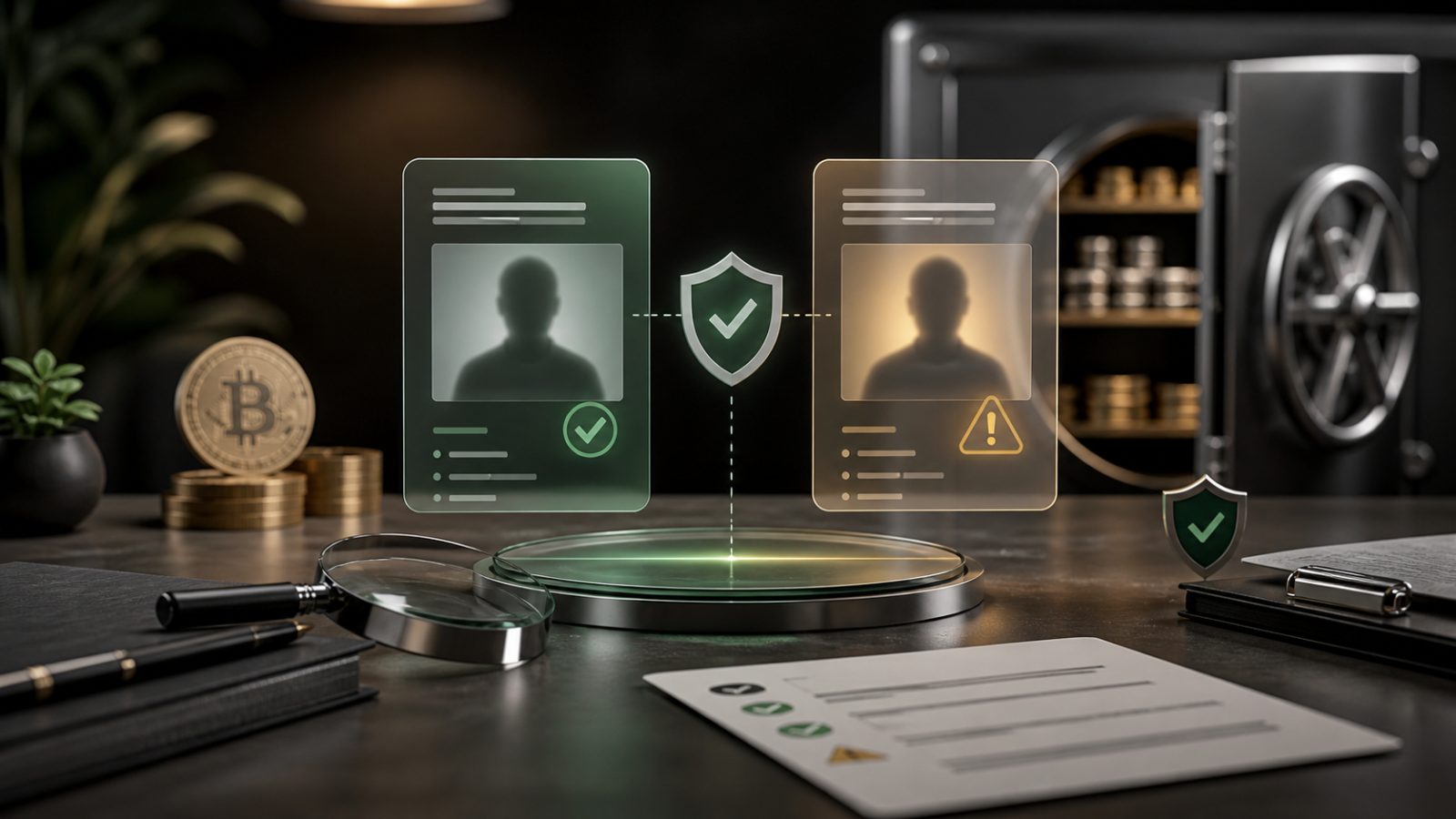
AI impersonation makes crypto scams more convincing. A scammer can imitate support, a friend, an executive, a moderator, or an “analyst.” But the core pattern remains the same: urgency, access requests, a fake website link, or a request to move funds without independent verification.
Why does AI strengthen old scam patterns?
AI helps scale personalized messages, convincing profiles, deepfake video, voice cloning, and fake support replies. Chainalysis links impersonation growth and AI tooling to stronger scam effectiveness in its 2026 Crypto Crime Report: Scams.
For users, this means that polished language is no longer evidence of trust.
Which requests should stop the conversation?
Never provide a seed phrase, private key, 2FA code, backup file, remote-screen access, or signature for an unclear transaction. Do not install a “support app” from a chat link.
If the person says you must act immediately or lose the account, funds, or opportunity, that is a pressure signal.
How should identity be verified?
Verify through an independent channel: official website, saved contact, internal company channel, another messenger, or a call to a known number. Do not use contact details supplied inside the suspicious conversation.
For work processes, a simple rule helps: crypto transfers and access changes require a second approval.
What about voice cloning and deepfakes?
Do not accept voice or video as the only proof. Use a control question that is not available on social media, or a pre-agreed confirmation code. For businesses, formal payment workflows are safer than “approval by call.”
If the message concerns a wallet, exchange, or account recovery, a 10-minute pause is usually better than an instant reply.
What limits and risks remain?
Even careful users can face well-prepared attacks. Scammers combine AI, phishing, fake sites, stolen accounts, and social pressure.
The strongest defense is a process rule: access and transfers are not performed from one request, even if it looks convincing.
Sources
- Chainalysis scams 2026
- AI fraud
This article is for information only and is not individual investment advice. Trading crypto carries the risk of losing your funds; results on historical data do not guarantee future results.
Check the strategy against your own data
ACARO is a terminal that executes a strategy on your own exchange account. Parameter search and backtesting on history are part of the subscription.
See pricing