
What does the SEC's Innovation Exemption mean for tokenized stocks, and how does a token with shareholder rights differ from a synthetic one?
On September 17, 2026, the SEC allowed tokenized stock trading through liquidity pools on a public blockchain for five years. We explain which tokens qualify, what rights they must carry, why issuers can object, and where the risks remain.
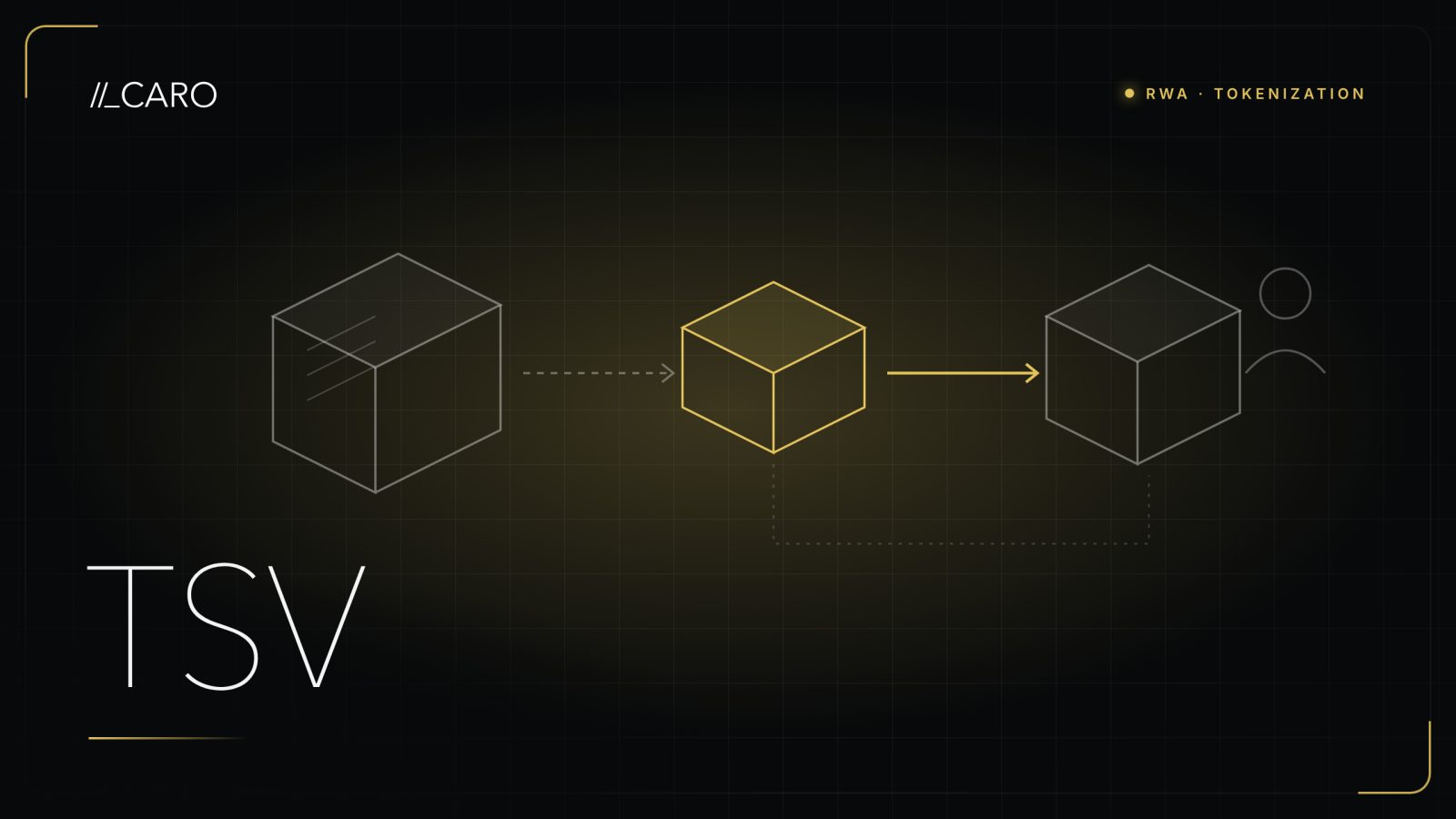
On September 17, 2026, the SEC granted a five-year conditional exemption that lets a new kind of venue trade tokenized shares of U.S. listed companies through liquidity pools on a public blockchain. The key point for investors: only tokens that carry the same rights as the ordinary share qualify. Synthetic tokens that merely track the price are left out of this framework.
What exactly did the SEC allow on September 17?
The regulator issued an order it calls the "Innovation Exemption." According to the SEC press release, it grants two forms of relief. First, a new type of platform — the Tokenized Securities Venue (TSV) — is not treated as an "exchange" under the 1934 Act, even though it brings together buyers and sellers of tokenized stock. Second, liquidity providers in those pools are not treated as "dealers," provided their securities activity is limited to trading in those pools.
Per the SEC fact sheet, both exemptions last five years. Trading runs through automated market makers (AMMs) and liquidity pools, and the smart contracts must be auditable, public and deployed on a public, permissionless blockchain. Access to trading, however, is permissioned: the venue sets who may trade. The statement by SEC Chairman Paul Atkins mentions U.S. person status and OFAC sanctions compliance.
How does an issuer token differ from a third-party or synthetic token?
The SEC separates tokenized stock into three groups, and the group determines what an investor actually owns.
- Issuer token — the company tokenizes its own shares, or an agent does it on its behalf.
- Third-party token — an unaffiliated firm holds ordinary shares and issues tokens against them. These are allowed, but only after the issuer has received written notice and a chance to object.
- Synthetic token — a third party issues its own security that only provides exposure to the share price, such as a linked note or a security-based swap. These are expressly excluded from the definition of tokenized NMS stock.
The difference is practical. In the third case the holder has a claim on the firm that issued the token, not an equity stake in the underlying company. If that intermediary fails or stops paying, the share price does not cover that risk.
What rights must a token holder receive?
A venue must verify that the token gives its holder "the same rights and privileges" as an ordinary share of the same class. According to Atkins, that includes the right to receive dividends and to vote. This is the core condition of the order. It rules out the model where an investor sees a familiar ticker in a wallet but has no legal share in profits or shareholder meetings.
Other conditions listed in the fact sheet:
- limits on the number of symbols and on trading volume;
- trading in a token must stop whenever trading in the underlying stock is halted on its primary listing exchange;
- public disclosure of the venue's operations and of its affiliates' trading on it;
- a notice posted on the venue's website at least 30 calendar days before it starts operating, and written notice to the SEC within one business day of that.
Why do companies get the right to object?
A third-party token is created without the issuer's involvement. A company may not want its shares trading around the clock in AMM pools it does not control — for example, because of disclosure or corporate-action concerns. So before trading such a token, a venue must give the issuer written notice and an opportunity to object. Commissioner Hester Peirce states plainly that issuers who do not want their stock trading on TSVs can opt out.
For investors, this means the list of available tokens can change. If an issuer objects, a token on its stock will not appear on such a venue.
What is already changing in the market?
The industry moved quickly. On September 23, Blockchain.com and NYSE Group signed a memorandum of understanding on possible access for Blockchain.com users to tokenized stocks and ETFs via NYSE's digital alternative trading system. The MOU is exploratory: the system has not launched yet, and access is subject to any required regulatory approvals.
The order arrived after the crypto market structure bill stalled in the Senate: per CoinDesk, on September 15 it received 49 of the 60 votes needed. The SEC is therefore acting within its own authority, and Atkins describes the exemption as a "bridge" to durable rules.
Where does this approach fall short, and what risks does the reader take?
- It is a temporary measure. The relief runs for five years and may be modified: the SEC itself is asking for comment on changes. There are no permanent rules yet.
- Not every "stock token" falls under the order. Tokens issued outside U.S. TSVs and synthetic instruments follow other rules. Their rights are set by the specific issuer's documents, not by the SEC order.
- 24/7 trading does not mean a 24/7 price. When the underlying stock is halted, trading in the token on a TSV must stop too. While the primary exchange is closed, the pool price is set by pool participants and may differ from the next open.
- An AMM is not an order book. In an automated market maker pool, a large trade moves the price more the thinner the pool's liquidity. Caps on volume and symbols also limit supply at launch.
- Technology risk. Public and auditable smart contracts do not rule out code bugs, blockchain outages or lost keys under self-custody.
- Access is restricted. Trading is permissioned; per Atkins, conditions include U.S. person status and sanctions screening.
The practical takeaway: before buying a token carrying a well-known company's ticker, check who issued it, whether real shares stand behind it, and which rights it grants — dividends, voting, redemption terms.
Sources
- SEC — Innovation Exemption press release — https://www.sec.gov/newsroom/press-releases/2026-90-sec-issues-innovation-exemption-facilitate-trading-tokenized-nms-stock-request-comment
- SEC — Fact sheet on the Innovation Exemption order — https://www.sec.gov/files/34-106402-fact-sheet.pdf
- SEC — Statement by Chairman Paul Atkins — https://www.sec.gov/newsroom/speeches-statements/atkins-innovation-exemption-bridge-toward-durable-rulemaking-091726
- SEC — Statement by Commissioner Hester Peirce — https://www.sec.gov/newsroom/speeches-statements/peirce-slumber-number-innovation-exemption-statement-091726
- CoinDesk — SEC rolls out innovation exemption — https://www.coindesk.com/policy/2026/09/17/sec-rolls-out-long-awaited-innovation-exemption-for-tokenized-securities-venues
- Chainwire — Blockchain.com and NYSE MOU — https://chainwire.org/2026/09/23/blockchain-com-and-nyse-partner-to-explore-global-24-7-365-trading-of-tokenized-securities/
This article is for information only and is not individual investment advice. Trading crypto carries the risk of losing your funds; results on historical data do not guarantee future results.
Check the strategy against your own data
ACARO is a terminal that executes a strategy on your own exchange account. Parameter search and backtesting on history are part of the subscription.
See pricing