
Tokenized Treasuries: Where RWA Helps and Where Liquidity Risk Starts
Why tokenized treasury products are a key RWA use case and what users should check before relying on them.
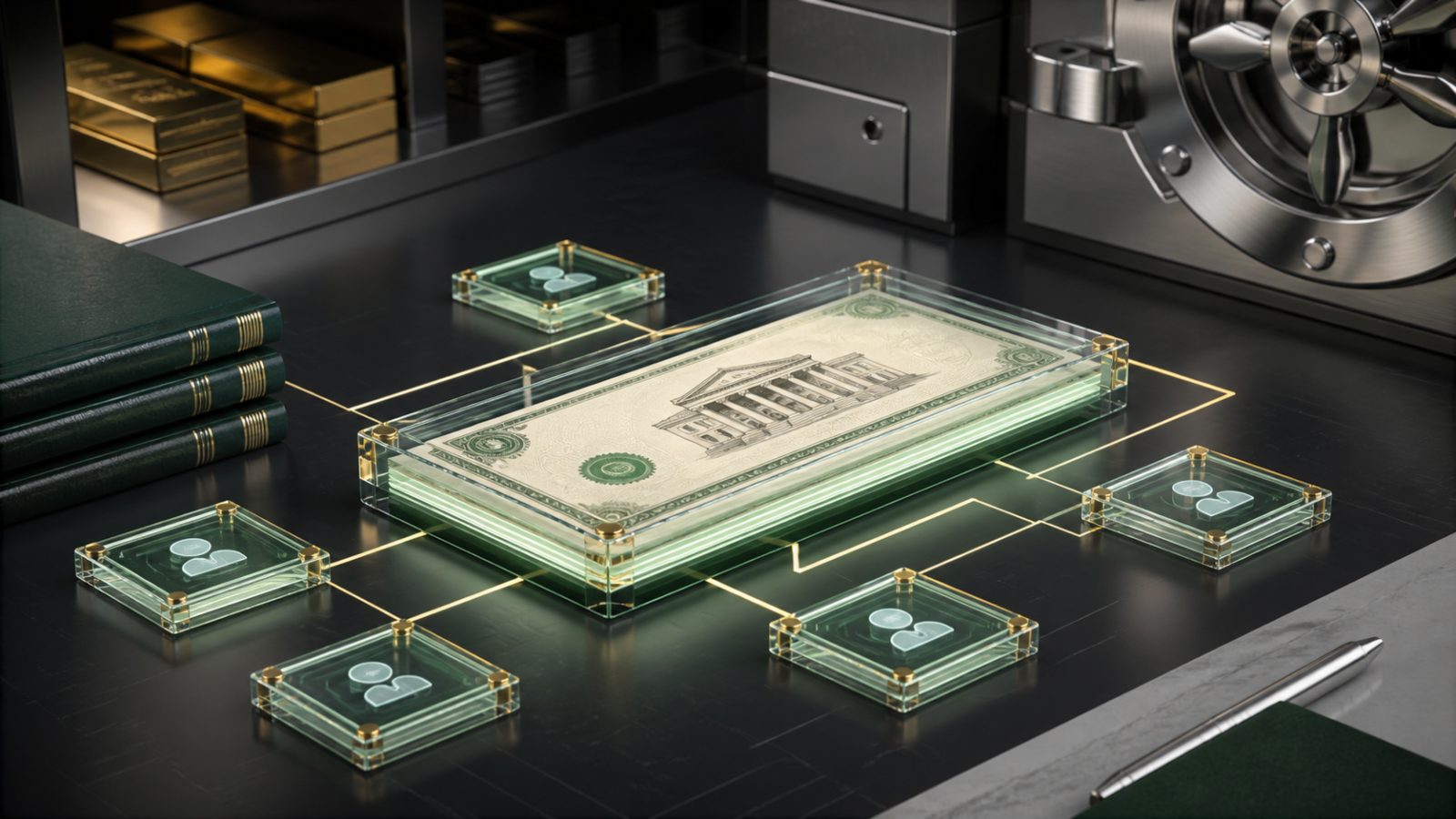
Tokenized treasury products are useful when they reduce access, settlement, and transfer friction, but they do not turn a traditional asset into a risk-free DeFi instrument. Users still need to know who owns the underlying asset, who holds it, how redemption works, and whether real liquidity exists beyond the interface.
Why did treasuries become a major RWA use case?
Treasury instruments are familiar to institutions: they have established markets, known yield mechanics, maturity profiles, and custody processes. That makes them a natural early candidate for tokenization.
CoinGecko’s 2026 RWA report treats tokenized real-world assets as a visible crypto market segment. Dashboards such as RWA.xyz Treasuries help track the size and composition of tokenized treasury products.
What is the practical benefit of tokenization?
The main benefit is operational. A token can simplify transfer of rights, settlement across venues, on-chain usage, and transparency of movement. For companies, this may reduce manual processes; for users, it can make money-market exposure easier to access.
But the token does not remove the underlying infrastructure. A real asset still has to be held somewhere. Documents must be maintained. Someone defines who can redeem. These details are often where the biggest risks sit.
Where does liquidity risk appear?
RWA liquidity has two layers: the market for the underlying asset and the market for the token. Even if the underlying asset is liquid, a thin token market can leave holders facing discounts, exit delays, or limited counterparties.
Redemption rules matter as well. Some products are available only to qualified or institutional users. In that case, a retail holder may hold the token but lack a direct path to quickly redeem it for the base currency.
What should be checked before using an RWA token?
A practical checklist includes issuer, custodian, jurisdiction, product documents, holder rights, redemption process, fees, secondary liquidity, address controls, tax treatment, and reporting availability.
If these answers are hidden behind marketing language, risk is higher. A strong RWA product should explain not only “what asset is inside,” but also “what the token holder actually owns or can claim.”
What limits and risks remain?
RWA connects on-chain infrastructure with off-chain legal rights. That creates two risk layers: smart contracts, wallets, and networks on one side; issuers, banks, custodians, and legal systems on the other.
Tokenization can make markets more usable, but it does not remove credit, legal, operational, or liquidity risk. RWA should be evaluated as financial infrastructure, not as an automatic replacement for the traditional asset.
Sources
- CoinGecko RWA 2026
- RWA.xyz treasuries
This article is for information only and is not individual investment advice. Trading crypto carries the risk of losing your funds; results on historical data do not guarantee future results.
Check the strategy against your own data
ACARO is a terminal that executes a strategy on your own exchange account. Parameter search and backtesting on history are part of the subscription.
See pricing